

24 Hours For Improving Glass Panel Replacement
Understanding the Role of Specialist Glaziers: An In-Depth Exploration
Glazing, the art of fitting glass into structures, whether they are windows, mirrors, or glass exteriors, is an important element in building and construction and design. Within this field, specialist glaziers play a necessary function, utilizing their expertise to ensure that the glass installation is not just functional however also visually pleasing. This article dives into the responsibilities, skills, and various applications of specialist glaziers, total with a thorough table describing their crucial functions.
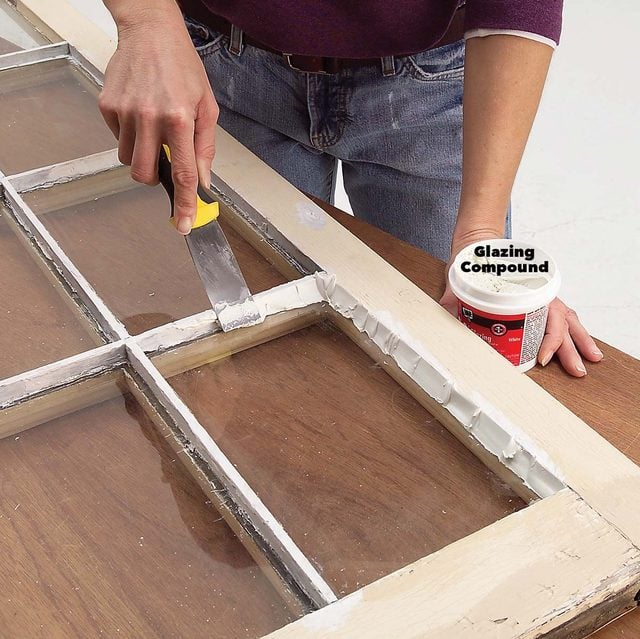
What is a Specialist Glazier?
A specialist glazier is a tradesperson with specific expertise in the installation and repair of glass components. Unlike general glaziers, specialist glaziers focus on special glass items and advanced applications, which may include stained glass, bespoke glass architecture, energy-efficient glazing, and security glazing. Their high-level abilities enable them to efficiently handle more intricate jobs and even provide consultancy services in custom glass design.
Secret Responsibilities
The jobs of a specialist glazier might vary depending on the specific niche they operate within. However, their main obligations normally consist of:
- Assessing task requirements and glass specs.
- Measuring and cutting glass to precise dimensions.
- Setting up and securing glass in numerous structures.
- Fixing broken or broken glass installations.
- Recommending customers on appropriate glass products for their tasks.
- Making sure compliance with safety regulations and structure codes.
- Offering upkeep and care pointers for glass setups.
Skills Required for Specialist Glaziers
To stand out as a specialist glazier, an individual must possess a variety of skills:
- Technical Expertise: A deep understanding of glass properties and the various types readily available.
- Accuracy Measurement: Ability to determine accurately is crucial for efficient cutting and fitting.
- Problem-Solving: The capacity to repair issues with installations or repairs rapidly.
- Information Orientation: Ensuring that all elements of the glass installation satisfy quality standards.
- Physical conditioning: The work typically involves lifting heavy glass sheets and working on scaffolding.
- Customer Support Skills: Communicating efficiently with clients and managing expectations.
Types of Specialist Glazing
Specialist glaziers work throughout different sectors, each requiring different techniques and materials. Here is a breakdown:
- Commercial Glazing: Focused on office complex and stores utilizing large glass panels.
- Residential Glazing: Involves single-family homes, requiring setups like doors and windows.
- Architectural Glazing: Combining artistry and engineering to develop aesthetically sensational glass structures.
- Security Glazing: Installing toughened or laminated glass in locations where security is critical, such as schools or health centers.
- Stained Glass: Creating artistic glass pieces for churches or homes.
Table: Types of Specialist Glazing
| Type of Glazing | Description | Application Examples |
|---|---|---|
| Commercial Glazing | Installation of big glass panels in buildings. | Workplace structures, storefronts |
| Residential Glazing | Focuses on domestic glass requirements. | Windows, patio area doors |
| Architectural Glazing | Creative styles with a focus on looks. | Museums, public buildings |
| Security Glazing | Resilient glass to protect users. | Schools, health centers |
| Stained Glass | Decorative glass work, often handmade. | Churches, custom homes |
The Importance of Specialist Glaziers in Modern Construction
In contemporary architecture, where glass is frequently a primary exterior product, specialist glaziers are indispensable. They not only contribute to the visual appeal of structures however likewise enhance energy efficiency through modern glazing technologies. Their contributions consist of:
- Energy Efficiency: Using double or triple glazing to provide insulation and sound decrease.
- Aesthetic Appeal: Crafting custom glass services that enhance the overall style stability of a structure.
- Building Regulations Compliance: Ensuring that setups fulfill safety and sustainability requirements.
FAQs
What credentials do specialist glaziers need?Specialist glaziers generally require a high school diploma and an apprenticeship. Many likewise pursue certifications in specific glazing methods.
Can specialist glaziers deal with any kind of building?While they typically concentrate on particular sectors, such as residential or commercial, skilled glaziers can deal with varied types of structures as required.
For how long does it normally require to complete a glazing job?The timeframe can vary commonly depending on the job size, complexity, and specific requirements– varying from a couple of days for minor installations to a number of weeks for large building and constructions.
What type of tools do specialist glaziers utilize?Tools consist of glass cutters, security equipment, determining gadgets, suction cups for managing, and different adhesives and sealants.
Are there different materials used in glazing?Yes, specialist glaziers deal with different products, including tempered glass, laminated glass, and low-emissivity (low-e) glass for enhanced energy effectiveness.
The function of specialist glaziers is pivotal within the building and construction industry, mixing technical ability with innovative artistry to produce beautiful, functional glass installations. Their competence makes sure that structures are not only visually appealing but likewise meet crucial safety and efficiency requirements. As the need for specialized glazing continues to grow, so too does the need for trained professionals who can navigate this elaborate field.
In understanding the diverse nature of glazing and the important role that specialist glaziers play within it, one gains a much deeper gratitude for these craftsmens of glass. Their work forms the environments where we live, work, and communicate, leaving an enduring effect long after the project is complete.