

What You Can Use A Weekly Door Handle Fix Project Can Change Your Life
Door Handle Fix and Service: A Comprehensive Guide to Repairing and Maintaining Door Handles
Door handles may appear like minor components in the architecture of a structure, yet they play a pivotal role in the performance and security of doors. In time, door handles can catch use and tear, causing inefficiency and possible security vulnerabilities. This short article will look into the different methods for fixing and servicing Door Handle Replacement handles, guaranteeing doors operate efficiently and safely for years to come.
Understanding Door Handle Types
Before embarking on any repair or maintenance procedure, it is vital to comprehend the different kinds of door handles readily available. Familiarity with these variations will aid in determining the suitable fixing method.
-
Lever Handles: These are frequently found in homes and workplaces, identified by a lever that you pull down to unlock.
-
Knob Handles: The conventional option, these round handles need more gripping and twisting movement to operate.
-
Pull Handles: Found mainly on sliding doors, these handles need a pulling motion to open.
-
Mortise Handles: Integrated into the door, these handles consist of a locking mechanism, providing enhanced security.
-
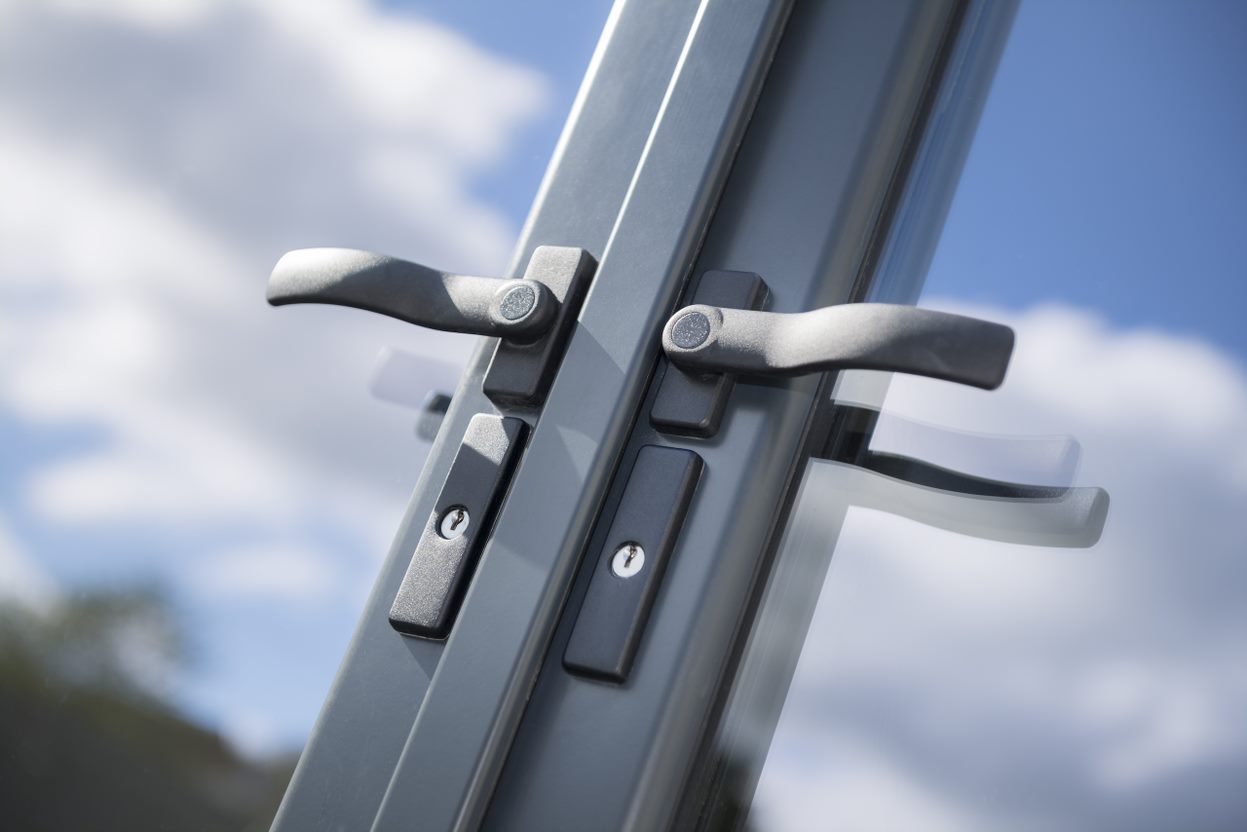
Moving Door Handles: These include 2 parts– one on the stationary door and one on the moving panel, often geared up with a locking function.
Understanding the type of handle is essential, as each needs various servicing approaches.
Common Issues with Door Handles
Door handles may encounter different problems in time. Recognizing these issues early can assist avoid total handle failure. Here are a few of the most common problems related to door handles:
- Loose Handles: Handles that wobble or feel loose can be easily fixed with a screwdriver.
- Sticking Mechanism: Handles that stick or jam can suggest a need for lubrication or adjustment.
- Broken Springs: In some cases, the internal spring mechanism might break, impacting the total function.
- Rust or Corrosion: Metal handles might rust or rust with time, affecting aesthetics and functionality.
- Misalignment: Handles that do not line up properly with the locking mechanism can lead to locking issues.
Step-by-Step Guide to Fixing Door Handles
Fixing door handles is a simple DIY job. Here's a detailed guide to help you through the process:
1. Examine the Problem
- Analyze the handle for motion and listen for noises. Is it loose? Sticking? Take notes on the signs to assist in medical diagnosis.
2. Collect Necessary Tools
- Depending on the problem, you may need:
- Screwdriver (Flathead or Phillips)
- Lubricant spray (WD-40 or silicone spray)
- Replacement springs or parts (if needed)
- Cloth for cleaning
- Pliers (for spring replacement)
3. Tighten Loose Handles
- If the handle is loose, locate the screws within the handle and tighten them.
- For knob handles, you may require to remove the knob cover to access the screws.
4. Lube Sticking Handles
- Spray a lube around the base of the handle, the lock mechanism, and any hinges.
- Operate the handle a number of times to distribute the lubricant equally.
5. Change Broken Springs
- If the handle feels disjointed or loose due to a broken spring, eliminate it from the door.
- Take apart the handle to access the spring mechanism. Replace it with a new one if necessary.
6. Clean Rust or Corrosion
- Use a cloth to clean dust and gunk from the handle. A metal brush can assist eliminate rust accumulation.
- After cleaning up, consider using a rust-resistant spray or polish for defense.
7. Realign the Handle
- In cases of misalignment, change the screws securing the handle or the latch. It may require moving the screws somewhat and testing the alignment up until it fits properly.
When to Seek Professional Help
While lots of door handle issues can be quickly solved individually, specific situations might call for professional assistance:
- Complex Locks: If the door handle is incorporated with a more complex locking system that requires specialized tools and knowledge.
- Severe Damage: Instances of considerable wear where a handle can not be mechanically fixed may need replacement.
- Security Concerns: If there are concerns about the security features of the door handle that can not be dealt with through basic fixes.
Preventative Maintenance Tips
To guarantee longevity and continued performance of door handles, routine maintenance is vital. Here are basic tips to think about:
- Regularly check handles for signs of wear or damage.
- Lube moving parts at least once a year to prevent stiffness.
- Keep handles clean from dirt and gunk, utilizing a wet cloth routinely.
- Adjust screws as necessary to keep tightness.
FAQs About Door Handle Fix and Service
Q1: How do I understand if my door handle requirements lubrication?A1: If your door handle feels sticky or operates with problem, lubrication is most likely required. Listen for any grinding noises, which can also suggest friction in the mechanism. Q2: Can I replace a door handle by myself?A2: Yes, most door handle replacements are simple and can usually be achieved with fundamental tools like a screwdriver. Q3: My door handle fell off completely– what need to I do?A3: First, assess the internal elements to look for broken pieces. If whatever is intact, you can reattach it by tightening screws or changing missing out on components. Q4: What type of lubricant must I utilize on my door handles?A4: A silicone spray, graphite powder, or specialized door-lock lube is suggested, as they decreasefriction without drawing in dirt or dust. In summary, preserving and fixing door handles is possible through basic DIY tasks. Recognizing the signs of wear and tear and comprehending how to resolve them will make sure that doors operate
effectively and securely, lengthening the life of your handles. Routine preventive steps can also keep door handles in exceptional condition, sparing homeowners unnecessary replacements or repairs.