

10 Things You Learned In Kindergarden That Will Help You Get Planing Machines Types
The Ins and Outs of Planing Machines: Types and Applications
Planing machines, also known merely as planers, are necessary tools in the woodworking and metalworking industries. These machines are designed to impart a smooth finish to rough surface areas, allowing wood or metal pieces to accomplish the desired measurements and attributes. In this blog site post, we will explore the various kinds of planing machines, their applications, and crucial factors to consider when picking the best one for particular jobs.
Overview of Planing Machines
Planing machines take raw products and process them by removing excess material. The primary purpose of these machines is to produce two-dimensional flat surfaces and to guarantee that the thickness of the material is consistent. As an outcome, they play a substantial function in preparing products for more fabrication or finishing procedures.
Types of Planing Machines
This area describes the primary types of planing machines offered, together with their respective uses and features.
1. Surface area Planer
The surface planer is used mainly for flattening the surface area of wooden boards. It works by feeding the wood through the maker, where blades get rid of a thin layer to produce a smooth finish.
| Feature | Description |
|---|---|
| Product | Wood |
| Blade Configuration | Two or more turning blades |
| Dealing with Method | Manual or automatic feeding |
| Final Surface Quality | Exceptional surface finish |
2. Thickness Planer
Thickness planers are used for minimizing the density of wooden boards while ensuring harmony throughout the entire length of the plank. They usually have a set of rollers that pull the wood through the maker.
| Function | Description |
|---|---|
| Product | Wood |
| Blade Configuration | Single planer knife or numerous blades |
| Dealing with Method | Automatic feeding systems readily available |
| Application | Perfect for floor covering and paneling |
3. Jointers
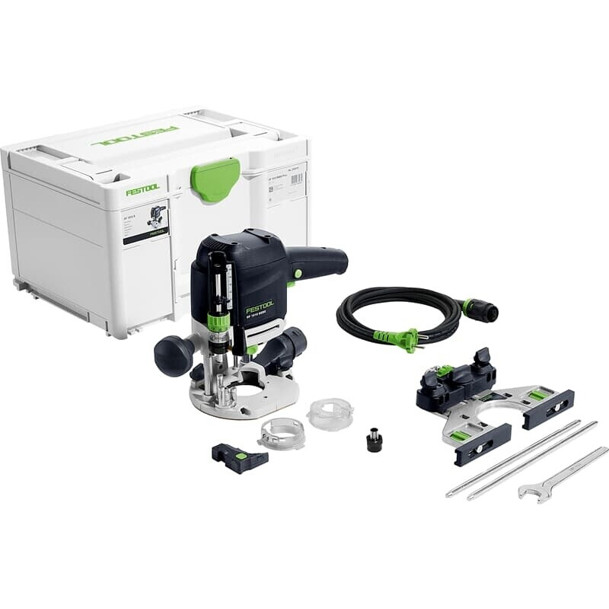
While technically separate from standard planers, jointers are often discussed in tandem due to their complementary functions. Jointers are primarily used to create flat edges on wood boards.
| Function | Description |
|---|---|
| Material | Wood |
| Blade Configuration | Two or three knives |
| Dealing with Method | Manual feeding |
| Usage | Preparing boards for edge-to-edge signing up with |
4. Round Planer
Round planers are developed to machine round parts and profiles and are mostly utilized in mechanical engineering.
| Feature | Description |
|---|---|
| Material | Wood and metal |
| Blade Configuration | Multiple fixed blades |
| Application | Perfect for machining rods and tubes |
| Use | Finishing operations on cylindrical shapes |
5. Handyman Planers
Handyman planers are smaller and frequently portable, making them ideal for DIY projects or tasks requiring mobility.
| Feature | Description |
|---|---|
| Product | Wood |
| Blade Configuration | Single blade |
| Dealing with Method | Manual operation |
| Advantages | Compact size and versatile use |
6. Horizontal and Vertical Planers
Horizontal and vertical planers vary based on the orientation of the workpiece. Horizontal planers are outstanding for long or broad products, while vertical planers are frequently used for smaller sized, more elaborate pieces.
| Function | Horizontal Planer | Vertical Planer |
|---|---|---|
| Feeding Direction | Horizontal | Vertical |
| Best for | Wide boards and slabs | Smaller or intricate workpieces |
| Applications | Furniture and floor covering production | Precision parts and models |
Elements to Consider When Selecting a Planing Machine
Picking the best planing device encompasses various factors to consider:
-
Material Type: Determine the primary product you will be working with– wood or metal. Some planers are specifically created for one product.
-
Desired Finish: Consider the needed level of surface quality. Some planing machines are set up for finer finishes, while others might allow for rougher cuts.
-
Thickness Requirements: Consider the variety of material thickness you need to work with– thicker materials may require a heavier-duty organizer.
-
Volume of Work: Assess the scale of your projects. For high-volume production, purchasing a more innovative and automated design may deserve it.
-
Budget: Based on the requirements and operation scale, examine what fits into your financial constraints. Portable or handyman models are usually more affordable.
Regularly Asked Questions (FAQs)
Q1: What safety preventative measures should I take when utilizing a planing machine?
A: Always read the producer's manual before usage. Make sure all guards remain in location, use appropriate individual protective equipment (PPE) such as safety glasses and ear security, and Hobelmaschinen Für Die Zimmerei prevent loose clothes while running the device.
Q2: Can planing machines be used for materials besides wood?
A: Yes, certain planing machines, such as cylindrical and metal planers, can process materials like aluminum, plastic, and metal.
Q3: What maintenance is needed for planing machines?
A: Regular cleaning of blades and surfaces, lubrication of moving parts, and regular evaluation of electrical components are important for keeping ideal efficiency.
Q4: How do I choose in between a surface area planer and a thickness planer?
A: If your main goal is to create a flat surface, select a surface planer. If you're aiming to minimize the density consistently, a density planer is the best choice.
Q5: Can I use a thickness planer for jointing edges?
A: While density planers can remove product evenly, they are not developed particularly for jointing edges. A jointer is suggested for creating straight edges.
Planing machines represent a pivotal technology in woodworking and metalworking. Understanding the numerous types and their applications can significantly improve the quality and effectiveness of projects. Whether for professional usage or personal DIY undertakings, choosing the right coordinator is vital in achieving wanted outcomes. By taking into consideration material types, wanted surfaces, and security preventative measures, users can navigate the planing landscape with self-confidence.