

Can Rollator Walker Be The Next Supreme Ruler Of The World?
Rollator Walker Safety: A Comprehensive Guide
As individuals age or face mobility challenges due to illness or injury, keeping independence typically ends up being a top priority. Rollator walkers, providing both assistance and mobility, have become indispensable tools for lots of. Nevertheless, while they use many benefits, guaranteeing safety while utilizing a rollator walker is critical. This post offers thorough insights into rollator walker safety, consisting of best practices, common dangers, and important ideas for users and caretakers.
Understanding Rollators
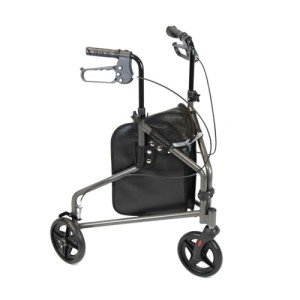
A rollator walker is a mobility device with wheels that allows individuals to walk with the support of a frame. Unlike basic walkers, rollators usually include:
- Three or four wheels for simpler maneuverability
- Hand brakes for stopping and controlling speed
- A seat for resting when required
- Storage compartments for carrying individual products
These features make rollators ideal for both indoor and outdoor use, improving the quality of life for users by supplying a sense of independence.
Benefits of Using Rollator Walkers
- Increased Mobility: Rollators can help users in moving safely and conveniently.
- Assistance and Stability: With a sturdy frame and brakes, they supply vital assistance when standing or walking.
- Convenience: Many rollators come with padded seats, enabling users to rest as needed.
- Convenience: Integrated storage solutions can bring necessary items, freeing hands for much better balance.
Common Hazards Associated with Rollator Walkers
While rollators can enhance mobility and safety, they can also posture risks. Users must know possible threats to reduce mishaps:
- Uneven Surfaces: Rollators may topple if utilized on irregular or sloped surface.
- Braking Issues: Failing to engage the brakes sufficiently can lead to falls.
- Excess Weight: Overloading the storage compartments can impact stability.
- Inappropriate Use: Not using the rollator as meant can result in mishaps.
- Poor Maintenance: Neglecting routine checks on wheels and brakes might result in failure during use.
Rollator Walker Safety Tips
To boost safety while utilizing rollator walkers, consider the following suggestions:
1. Proper Fit and Adjustment
- Height Adjustment: Ensure that the handle height is set to the user's wrist level when standing upright. A proper fit encourages much better posture and control.
- Seat Height: If the rollator has a seat, guarantee it's comfortable and accessible for resting.
2. Routine Maintenance
- Inspect Brakes: Make sure hand brakes are working correctly. Change or change them if required.
- Check Wheels: Regularly examine wheels for wear and tear, and guarantee they spin freely.
- Examine Frame: Check for loose screws or cracks in the frame to ensure it stays sturdy.
| Upkeep Task | Frequency |
|---|---|
| Brake check | Weekly |
| Wheel assessment | Month-to-month |
| Frame evaluation | Regular monthly |
3. Environment Awareness
- Clear Pathways: Keep living areas devoid of clutter and challenges that may posture a tripping risk.
- Lighting: Ensure that areas are well-lit to prevent missteps, especially during evening hours.
- Prevent Slippery Floors: Be cautious on damp or waxed floorings, as they can cause falls.
4. Safe Walking Techniques
- Engage Brakes When Stopping: Always engage brakes before sitting or while resting.
- Use Proper Walking Technique: Move slowly and keep a stable speed, taking steps that match the rollator's width.
- Balance While Turning: Turn carefully, utilizing the rollator for assistance as required.
5. Seek Assistance
- Involve Caregivers: Encourage family members or caregivers to help in browsing challenging surfaces or circumstances.
- Take Advantage of Community Resources: Many neighborhoods use mobility training for those utilizing walk-assisting gadgets.
Frequently Asked Questions about Rollator Walker Safety
Q1: How do I pick the ideal rollator walker?
When choosing a rollator, think about the user's weight, height, and intended use. It's also important to look for functions such as hand brake effectiveness and wheel size, which can affect maneuverability.
Q2: Can I use a rollator walker on uneven surface areas?
While rollators can deal with a range of terrains, it is best to prevent high inclines, gravel, or cobblestones, as these can be hazardous. Adhere to flat, smooth surfaces whenever possible.
Q3: How can I prevent falls while utilizing a rollator?
Engaging the brakes when sitting, keeping paths clear, changing your rollator for the appropriate height, and bearing in mind your environments can greatly reduce the danger of falls.
Q4: Are all rollator walkers the very same?
No, rollators are available in different types and sizes, created for different needs. Some may have additional devices like baskets, while others are lightweight or feature a higher weight capability.
Q5: Is it safe to carry bags on a rollator?
Always bear in mind the weight limit and circulation of the load. Use the rollator's designated storage services and prevent overloading it.
Rollator walkers are invaluable gadgets that enhance mobility and promote self-reliance for users facing mobility challenges. However, guaranteeing safety while utilizing these devices is essential. By understanding possible risks, sticking to safe practices, and keeping the walker regularly, users can take pleasure in the benefits of their rollator with lessened threat. Ultimately, the objective is to assist in self-confidence and stability, enabling individuals to navigate their world with security and ease. As care companies, relative, and neighborhoods focus on safety, they empower users towards a better, more independent quality of life.